
Comparing AI models like GPT, Claude, and Gemini via OmnyChat is key to unlocking superior creative content. By evaluating their prompt generation for images and video, you can discover which model best fuels your imagination, leading to more impactful visuals and efficient creative workflows.
Why Comparing AI Models Matters for Creative Content
Creativity is inherently subjective and nuanced. What one person finds imaginative, another might see as derivative. This is precisely why comparing AI models for creative tasks is not just beneficial, but essential. Unlike analytical tasks where objective metrics often suffice, creative endeavors demand an AI that can grasp subtle emotional tones, generate novel concepts, and adhere to complex stylistic requirements. Different AI models, trained on diverse datasets and employing unique architectures, will interpret prompts and generate outputs in distinct ways. Some might excel at generating vivid, descriptive prose for image prompts, while others might be better at conceptualizing narrative arcs for video. Without direct comparison, you risk settling for generic outputs or using a model that isn't optimized for your specific creative vision. The current landscape often lacks practical, creative-focused comparisons, leaving users to navigate this complexity alone. General AI model comparisons often focus on benchmarks like intelligence, speed, and cost, which are important, but they rarely delve into the qualitative aspects of creative output, such as originality, emotional depth, or artistic flair. This gap means creators may not discover the model best suited to bring their unique ideas to life.
Head-to-Head: GPT vs. Claude vs. Gemini for Creative Prompting
When it comes to creative content generation, three prominent AI models often stand out: OpenAI's GPT series, Anthropic's Claude series, and Google's Gemini series. Each possesses unique strengths that can influence their effectiveness in generating prompts for images and video concepts. Understanding these differences is key to selecting the right model for your specific creative task.
GPT Series (e.g., GPT-4o)
OpenAI's GPT models are renowned for their versatility and broad knowledge base. For creative prompting, they often excel at generating detailed, descriptive text suitable for image generation prompts. They can follow complex instructions, incorporate specific artistic styles, and provide a wide range of ideas. Their strength lies in their ability to act as a highly capable generalist, capable of producing coherent and imaginative outputs across many creative domains.
Claude Series (e.g., Claude 3.5 Sonnet/Opus)
Anthropic's Claude models are known for their sophisticated understanding of nuance, safety, and their ability to handle very long contexts. For creative tasks, this translates to a talent for generating prompts with emotional depth, subtle narrative undertones, and complex character motivations. Claude can be particularly adept at refining existing ideas or exploring thematic variations, making it excellent for brainstorming sessions where depth and coherence are paramount. Its longer context window can also be beneficial for developing intricate story arcs or detailed visual descriptions.
Gemini Series (e.g., Gemini 1.5 Pro)
Google's Gemini models are built with multimodality at their core, meaning they can process and understand various types of information, including text, images, audio, and video. For creative prompting, this can lead to more visually-aware suggestions and concepts that consider how elements might interact or be perceived. Gemini can be particularly strong in generating prompts that require an understanding of visual composition, dynamic sequences, or integrating different media types. Its ability to reason across modalities can spark unique ideas that might be missed by text-only models.
| Feature | GPT Series (e.g., GPT-4o) | Claude Series (e.g., Claude 3.5 Sonnet/Opus) | Gemini Series (e.g., Gemini 1.5 Pro) |
|---|---|---|---|
| Nuance & Subtlety in Prompts | Excels at detailed descriptions and following complex instructions; can sometimes be overly literal. | Strong understanding of emotional subtext and subtle thematic elements; great for nuanced storytelling. | Good at interpreting context and can offer visually-aware nuances; may require specific phrasing for deep emotional nuance. |
| Originality & Novelty of Concepts | Generates a wide range of ideas; can be very creative when guided with specific parameters. | Often produces more thoughtful and conceptually deep ideas; good for exploring abstract themes. | Can offer novel combinations due to multimodal understanding; good for visually distinct concepts. |
| Adherence to Stylistic Constraints | Very capable of adopting specific artistic styles, moods, and technical specifications. | Can maintain stylistic consistency and adapt to detailed aesthetic descriptions, especially in longer prompts. | Strong in visual styles and can integrate elements from different modalities; may need explicit instruction for abstract artistic styles. |
| Image Prompt Generation Quality | Excellent for generating detailed, photorealistic, or artistically styled image prompts. | Can generate prompts that evoke specific moods and atmospheres for images. | Good for prompts that require integration of visual elements or understanding of scene composition. |
| Video Concept Generation Quality | Provides well-structured plot points, character ideas, and scene descriptions. | Focuses on thematic coherence, emotional arcs, and narrative depth for video concepts. | Offers dynamic visual sequences and cross-modal ideas for video concepts. |
| Creativity & Imagination | High general creativity, often producing imaginative scenarios when given clear direction. | Tends towards thoughtful, profound, or emotionally resonant creativity. | Can be highly imaginative, especially when combining different sensory inputs or styles. |
| Ease of Prompt Engineering | Generally easy to use with clear instructions; can require iteration for highly specific creative outcomes. | Requires clear, well-structured prompts to leverage its depth; benefits from iterative refinement. | Intuitive for multimodal prompts; may require learning specific ways to prompt for cross-modal reasoning. |
Practical Comparison: Crafting High-Impact Image Prompts
Understanding Prompt Elements for Images
To generate compelling images, your prompts need to be more than just a subject. Effective image prompts typically include:
- Subject: What is the main focus of the image? (e.g., a majestic dragon, a serene landscape, a futuristic cityscape)
- Style: What artistic style should it emulate? (e.g., photorealistic, watercolor, cyberpunk, art nouveau, impressionist)
- Lighting: How should the scene be lit? (e.g., golden hour, dramatic chiaroscuro, soft ambient light, neon glow)
- Composition: What is the camera angle or perspective? (e.g., wide-angle, close-up, aerial view, Dutch angle)
- Mood/Atmosphere: What feeling should the image evoke? (e.g., mysterious, joyful, melancholic, epic)
- Details: Specific elements to include or emphasize (e.g., bioluminescent flora, intricate clockwork mechanisms, a character's expression)
Model-Specific Prompting Strategies & Examples
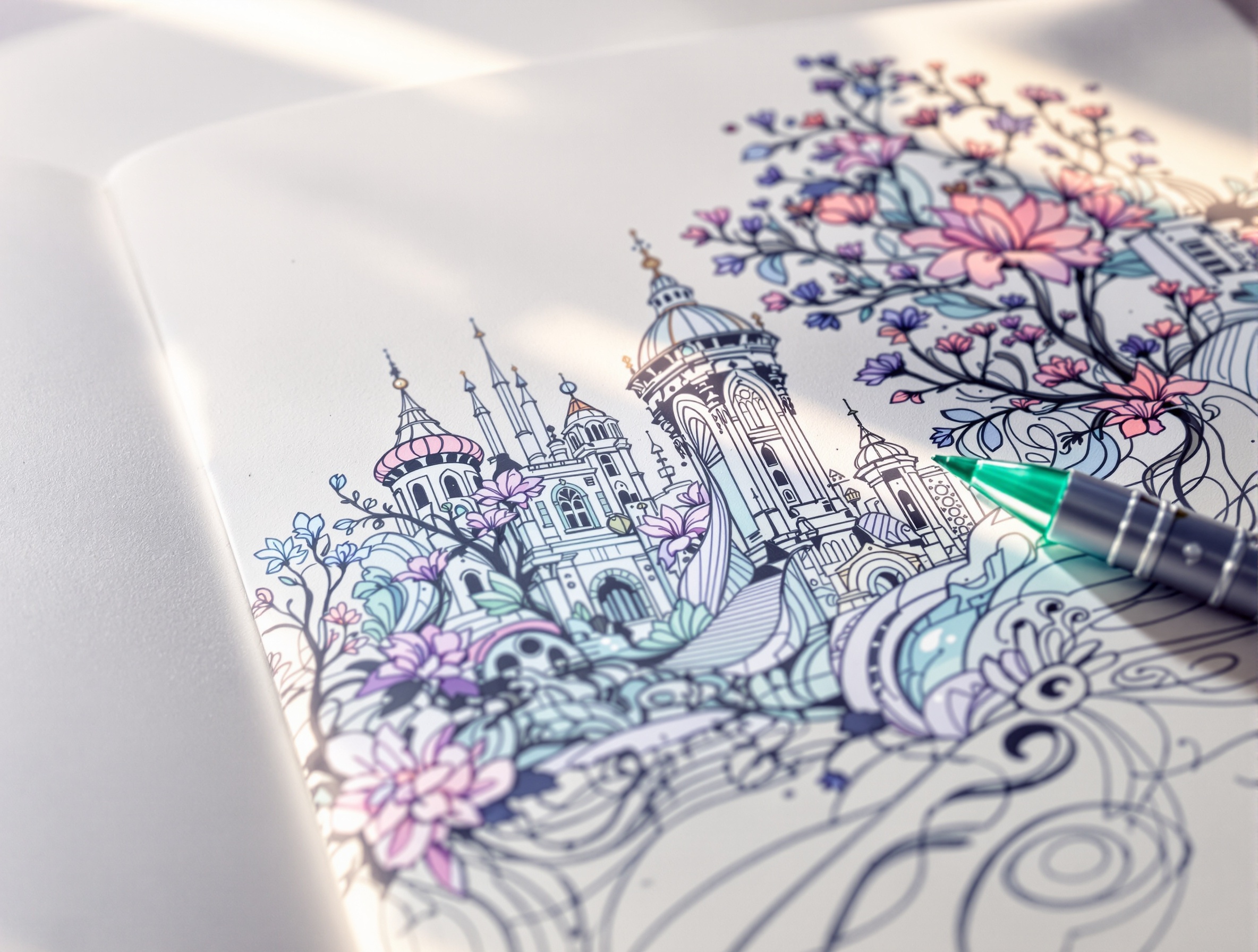
Let's consider a prompt for a surreal cityscape and see how different models might approach it. The core idea is a vibrant, surreal cityscape at twilight, with bioluminescent flora integrated into the architecture, rendered in an Art Nouveau meets Cyberpunk style, with a wide-angle perspective looking upwards.
GPT Prompt Idea: "Generate a photorealistic image of a sprawling, surreal cityscape at twilight. The architecture should blend Art Nouveau curves with futuristic Cyberpunk elements. Integrate glowing, bioluminescent flora into the building designs. Use a dramatic wide-angle perspective looking up at towering structures. The atmosphere should be mysterious and awe-inspiring, with soft, ethereal light emanating from the flora and city lights."
Claude Prompt Idea: "Craft a prompt for an image that captures the essence of a surreal, twilight cityscape where Art Nouveau elegance meets Cyberpunk grit. Imagine buildings that organically incorporate luminous, bioluminescent plants, casting an ethereal glow. The scene should convey a sense of wonder and isolation, viewed from a dramatic low-angle, wide perspective. Focus on the interplay of organic and artificial light."
Gemini Prompt Idea: "Create a prompt for an image: a surreal cityscape at twilight. Style: Art Nouveau fused with Cyberpunk. Key elements: bioluminescent flora woven into futuristic architecture. Perspective: extreme wide-angle, looking upwards. Lighting: ethereal, with glowing plants and city lights. Mood: awe and mystery. Consider visual flow and how the organic lights interact with the man-made structures."
Notice how GPT focuses on descriptive detail, Claude emphasizes mood and thematic elements, and Gemini hints at visual interaction and perspective. Comparing these outputs helps you refine your prompt engineering skills for image generation. For more on this, check out our prompt engineering best practices.
Evaluating Image Prompt Quality
When evaluating the output of your image prompts, consider:
- Clarity and Specificity: Does the generated image accurately reflect the prompt's core elements?
- Artistic Interpretation: How well did the model capture the specified style, mood, and lighting?
- Originality: Does the image offer a fresh take or feel generic?
- Composition and Aesthetics: Is the image visually appealing and well-composed?
- Adherence to Constraints: Were all specific details and stylistic requirements met?
Developing Engaging Video Concepts with Multi-Model AI
The Challenge of Video Concept Generation
Generating compelling video concepts requires more than just descriptive visuals; it involves narrative, pacing, emotional arcs, and dynamic sequences. Unlike static images, video implies movement, time, and often a story. This complexity means that AI models need to understand not just what to show, but how to show it over time and how it makes an audience feel. A good video concept prompt should guide the AI towards thinking about:
- Narrative Arc: The beginning, middle, and end of the story or message.
- Pacing and Flow: How quickly or slowly events unfold, and how scenes transition.
- Emotional Tone: The overall feeling the video should evoke (e.g., exciting, heartwarming, suspenseful).
- Visual Style: The aesthetic of the video (e.g., cinematic, documentary, animated, abstract).
- Key Message/Theme: The central idea or takeaway for the audience.
How Different Models Approach Video Ideas
Consider the prompt: "Generate a video concept for a short film about the future of sustainable urban living." Here’s how different models might respond:
GPT Response Idea: Might outline a plot with a protagonist, a challenge (e.g., resource scarcity), and a solution involving new urban technologies. It could suggest specific scenes like vertical farms or smart transportation networks.
Claude Response Idea: Might focus on the emotional journey of residents adapting to sustainable living, exploring themes of community, nature integration, and the psychological impact of a greener city. It could emphasize the 'why' behind sustainability.
Gemini Response Idea: Could propose dynamic visual sequences, perhaps starting with contrasting shots of current urban sprawl versus future green cities. It might suggest camera movements and editing styles to convey progress and innovation, leveraging its multimodal understanding of visual storytelling.
Comparing these helps you see which model can best provide the narrative structure, thematic depth, or visual dynamism you need for your video concept. For more on how to combine models, explore our guide on multi-model AI workflow.
Refining Video Concepts with Iterative Prompting
Once you receive an initial concept, don't stop there. Iterative prompting is key. You can take a concept generated by one model and feed it back into the same or another model with more specific instructions. For instance, if GPT provided a good plot outline, you might ask Claude to "expand on the emotional journey of the protagonist in this sustainable city concept" or ask Gemini to "suggest dynamic visual sequences for the climax of this story." This iterative process, facilitated by comparing outputs at each stage, helps refine your video concept into a robust and compelling vision.
Building Your Multi-Model Creative Workflow Strategy
The Power of Multi-Model Workflows
The most effective creative workflows leverage the strengths of multiple AI models. Instead of relying on a single tool, a multi-model approach allows you to select the best AI for each specific stage of your creative process. For instance, you might use one model for initial brainstorming, another for detailed descriptive writing, and a third for refining narrative structure or visual elements. This strategy ensures you're not limited by the inherent biases or weaknesses of a single AI. It's about building a toolkit where each model plays a specific role, leading to richer, more diverse, and ultimately higher-quality creative output. This approach is central to advanced prompt engineering best practices for multi-model AI.
Integrating OmnyChat into Your Workflow
This is where a platform like OmnyChat becomes invaluable. It consolidates access to multiple leading AI models (like GPT, Claude, and Gemini) into a single, intuitive interface. Instead of juggling multiple subscriptions and tabs, you can send a prompt to several models simultaneously and compare their outputs side-by-side. This direct comparison empowers you to:
- Quickly identify the best model for a specific creative task (e.g., image prompt generation vs. video concept ideation).
- Save time and resources by avoiding the need to switch between different AI interfaces.
- Enhance your prompt engineering skills by observing how different models interpret and respond to your prompts.
- Discover novel ideas that might arise from combining or comparing outputs from diverse AI models.
Leveraging a tool like OmnyChat allows you to implement a structured approach, perhaps using an AI model comparison template to systematically evaluate outputs based on your unique creative criteria. This ensures your workflow is not just efficient, but also highly effective in producing superior creative content.
OmnyChat: Your Ultimate Platform for AI Model Comparison in Creativity
OmnyChat is designed to empower creators by demystifying the complex landscape of AI models. Our platform provides a seamless experience for comparing the creative output of leading AIs like GPT, Claude, and Gemini. You can experiment with prompts, observe nuanced differences in generated text for image descriptions or video concepts, and make informed decisions about which model best serves your project's needs. This direct, side-by-side comparison within OmnyChat not only streamlines your workflow but also elevates the quality and originality of your AI-assisted creative content. Stop guessing which AI is best for your creative task – start comparing and creating with confidence.
Your Questions on AI Model Comparison for Creativity Answered
How can I compare AI models to generate better creative content prompts?
You can compare AI models by testing them with identical creative prompts and evaluating the quality, originality, and adherence to your specific requirements. Look for models that excel in understanding nuance, generating imaginative concepts, and producing outputs that align with your desired artistic style or narrative. Platforms like OmnyChat allow you to run these comparisons side-by-side, making the evaluation process efficient.
Which AI model (GPT, Claude, Gemini) is best for image prompt generation?
The 'best' model often depends on the specific task and desired output. GPT models are generally versatile and good at detailed descriptions. Claude models can excel at nuanced and emotionally resonant prompts. Gemini models, with their multimodal capabilities, might offer unique insights into visual elements. Testing each with your specific image prompt requirements is the most effective way to determine the best fit.
How do different AI models compare in generating creative video concepts?
When generating video concepts, models differ in their approach. GPT might provide structured plot outlines and character ideas. Claude could focus on thematic depth and emotional arcs. Gemini might suggest dynamic visual sequences and narrative flow. Comparing their outputs helps you identify which model best aligns with the type of creative direction you need for your video project.
What are the key criteria for comparing AI models for creative tasks?
Key criteria include: 1. **Originality & Novelty:** How unique are the generated ideas? 2. **Nuance & Subtlety:** Can it understand and incorporate subtle instructions? 3. **Adherence to Style:** How well does it follow specific artistic or stylistic constraints? 4. **Imagination & Creativity:** Does it go beyond literal interpretations? 5. **Concept Cohesion:** For video, how well do the elements form a coherent narrative? 6. **Prompt Responsiveness:** How accurately does it interpret and execute the prompt?
How does OmnyChat help compare AI models for better prompt engineering?
OmnyChat provides a unified workspace where you can send the same prompt to multiple AI models simultaneously and view their responses side-by-side. This direct comparison allows you to quickly assess which model generates the most effective prompts for your creative needs, saving time and effort compared to using separate interfaces.
What are the benefits of comparing AI models for creative writing?
Comparing AI models for creative writing helps you discover which model best captures specific tones, styles, or narrative voices. It allows you to leverage unique strengths, such as one model's ability to generate poetic descriptions while another excels at crafting compelling dialogue. This comparison leads to richer, more diverse, and higher-quality written content.
Ready to Elevate Your Creative Content?
Stop wasting time guessing which AI model is best for your creative projects. OmnyChat offers a unified platform to compare GPT, Claude, Gemini, and more, side-by-side. Discover which model excels at generating the perfect prompts for stunning images and engaging video concepts. Streamline your workflow and unlock your creative potential today.